



Back Pain Chiropractor in Singapore: What Patients Should Know
Back pain can affect walking, sitting, sleeping, exercise and everyday activities. People experiencing these symptoms may consider seeing a Back Pain Chiropractor, particularly when the problem appears to involve muscles, joints or movement of the spine. However, back pain can have many causes, so treatment should not begin with the assumption that every patient needs a spinal adjustment. An appropriate assessment should come first to understand the symptoms, health history and whether chiropractic care is suitable.
Choosing a Back Pain Chiropractor should also involve checking qualifications, professional standards and how the practitioner explains treatment. Research indicates that spinal manipulation may provide small or modest improvements in pain and function for some people with acute or chronic low-back pain, but outcomes vary between individuals. The World Health Organization also includes spinal manipulative therapy among interventions that may be offered as part of care for adults with chronic primary low-back pain, while stressing a person-centred approach rather than relying on a single treatment alone.




Bentley Woon
Honorary Secretary
1 Tanglin Road
#04-09
Singapore 247905
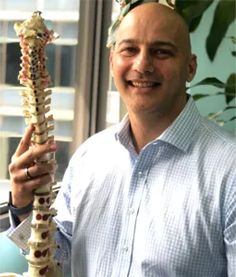
* Dr. Neil O. Stakes
Honorary Treasurer
360 Orchard Road
#10-01A International Bldg
Singapore 238869
 91896167

* Dr. Serene Ng
Correspondence Officer
Blk 3 Queen’s Road,
#02-155,
Singapore 260003
9641 2005


* Dr. Anthony Fong
Board Member for Continuing Education
360 Orchard Road
#10-01A International Bldg.
Singapore 238869
91896167

Frequently Asked Questions
What does a Back Pain Chiropractor do?
A Back Pain Chiropractor assesses musculoskeletal problems that may involve the spine, joints and surrounding tissues. The first step should be understanding the patient’s symptoms rather than automatically performing manipulation.
An assessment may consider:
- Where the pain is located
- When the symptoms began
- Whether pain travels into the legs
- Activities that worsen or relieve symptoms
- Previous injuries
- Existing medical conditions
- Current medications
- Previous treatment
- Changes in mobility or daily function
The information gathered can help the practitioner decide whether chiropractic care is appropriate or whether another healthcare professional should be involved.
Patients can also review What Makes a Good Chiropractor when comparing practitioners.
When should I see a Back Pain Chiropractor?
A Back Pain Chiropractor may be considered when back discomfort appears to involve musculoskeletal factors and the patient wants to explore a non-surgical approach.
However, the decision should depend on the individual presentation. Back pain can range from short-term muscular discomfort to persistent symptoms involving several physical and lifestyle factors.
The WHO guideline for chronic primary low-back pain recommends a holistic and person-centred approach. It notes that people may require a combination of interventions rather than one treatment used on its own.
A chiropractor should therefore explain what role chiropractic care may have within the patient’s broader management plan.
Can chiropractic spinal manipulation help with back pain?
Spinal manipulation is one option that may be considered for some people with low-back pain.
NCCIH reports that spinal manipulation may result in small improvements in pain and function for people with acute or chronic low-back pain. Research has also found modest benefits in some studies, although the strength and quality of evidence varies.
WHO states that spinal manipulative therapy may be offered as part of care to adults with chronic primary low-back pain. Its recommendation is conditional and based on very low-certainty evidence.
For this reason, a Back Pain Chiropractor should not guarantee that spinal manipulation will remove pain or work for every patient.
Patients who want more information about the technique can visit Chiropractor Spinal Adjustments.
Does every patient with back pain need a spinal adjustment?
No.
A consultation with a Back Pain Chiropractor does not mean spinal manipulation must automatically be performed.
The appropriate approach depends on the patient’s symptoms, history and assessment findings. Spinal manipulation is also different from mobilisation. WHO describes manipulation as involving a high-velocity thrust, while mobilisation generally uses slower passive movement within the person’s joint range of motion.
A chiropractor may decide that a different manual approach is more suitable, that additional management should be considered, or that the patient should be referred elsewhere.
This is one reason Safe Chiropractic begins with assessment rather than applying the same technique to everyone.
Is chiropractic treatment for back pain safe?
Spinal manipulation has potential side effects and should not be described as completely risk-free.
NCCIH states that temporary mild-to-moderate effects can include increased discomfort, stiffness or headache. These effects generally resolve within about 24 hours. Serious complications have been reported but are considered very rare.
Existing health conditions can also affect risk.
A Back Pain Chiropractor should therefore obtain relevant health information before treatment and explain the proposed technique, expected benefits, possible side effects and reasonable alternatives.
Patients should also disclose medications, previous injuries, surgery and known health conditions before treatment begins.
What should I tell a chiropractor about my back pain?
Provide enough information for the practitioner to understand how the problem developed and how it affects you.
Tell the Back Pain Chiropractor about:
- When the pain started
- Where the pain is located
- Whether pain spreads into the buttocks or legs
- Numbness or tingling
- Previous back injuries
- Previous spinal surgery
- Existing medical conditions
- Current medication
- Recent accidents or falls
- What movements change the pain
- Whether symptoms are getting better or worse
- Any previous treatment
NCCIH advises patients to tell practitioners about existing health problems because certain conditions can increase the risks associated with spinal manipulation.
The more accurate the health history, the easier it is for the practitioner to decide whether chiropractic treatment should be considered.
What should I ask before agreeing to back pain treatment?
Patients should understand what a Back Pain Chiropractor is recommending before treatment starts.
Useful questions include:
- What do you think may be contributing to my back pain?
- Why are you recommending this particular treatment?
- Will spinal manipulation be used?
- What are the potential benefits?
- What side effects or risks should I understand?
- Are there other options?
- How will you measure progress?
- How many appointments are initially recommended?
- When would you change the treatment plan?
- When would you refer me to another healthcare professional?
The Chiropractic Association (Singapore) Code of Ethics says chiropractors should be open with patients about risks and benefits and should respect a patient’s right to make their own healthcare decisions.
Should back pain treatment include more than spinal manipulation?
It can.
The WHO guideline for chronic primary low-back pain supports a broader, person-centred approach. Depending on the patient, management may involve education and self-care strategies, exercise programmes, certain physical therapies, psychological approaches or other appropriate interventions.
This means a Back Pain Chiropractor should not necessarily present one technique as the only possible solution.
For persistent low-back pain, factors such as physical activity, sleep, work demands, stress and general health may also be relevant to the patient’s overall management.
The treatment plan should reflect the individual rather than relying on a standard programme for every person with back pain.
How long should I keep seeing a chiropractor for back pain?
There is no single number of visits that is appropriate for every patient.
A Back Pain Chiropractor should review whether symptoms and function are changing instead of continuing treatment indefinitely without reassessment.
Progress can be evaluated by looking at:
- Pain levels
- Ability to walk or stand
- Sleep
- Daily activities
- Work activities
- Mobility
- Exercise tolerance
- Patient-reported improvement
- New or worsening symptoms
If treatment is not helping as expected, the plan may need to change.
The practitioner may also decide that another healthcare professional should become involved.
Can a chiropractor help with chronic low-back pain?
Chronic low-back pain generally refers to symptoms that persist for an extended period. WHO’s chronic primary low-back pain guideline specifically addresses pain lasting more than three months when it is not attributable to another underlying disease or condition.
Spinal manipulative therapy is among the interventions WHO says may be offered as part of care for adults with chronic primary low-back pain. However, this recommendation is conditional and based on very low-certainty evidence.
A Back Pain Chiropractor should therefore set realistic expectations. Chiropractic care may form one part of management, but persistent back pain can require a broader approach.
What is the difference between acute and chronic back pain?
Acute back pain generally refers to symptoms that have been present for a relatively short period.
NCCIH describes acute low-back pain in the research it reviews as pain lasting no more than six weeks. Chronic pain lasts longer and may involve a more complex combination of physical and other contributing factors.
A Back Pain Chiropractor should consider how long the symptoms have been present because the appropriate management approach may differ.
The duration of pain alone does not determine which treatment is suitable. The full clinical presentation still needs to be considered.
Can pregnant patients see a chiropractor for back pain?
Pregnancy can be associated with musculoskeletal discomfort, including back pain, but pregnancy introduces additional considerations.
The practitioner should consider the stage of pregnancy, health history, current symptoms and any pregnancy-related complications before recommending manual treatment.
Patients specifically looking for pregnancy-related information should visit Chiropractor for Pregnancy.
A pregnant patient should also keep the appropriate maternity or medical healthcare professional informed about significant or persistent symptoms.
Can back pain and headaches be related?
Some people experience both back or neck discomfort and headaches, but headaches have many possible causes and should not automatically be attributed to the spine.
When headache is a significant symptom, assessment should consider its pattern, severity, associated symptoms and any recent changes.
Patients whose primary concern is headache can review Chiropractor for Headache.
A chiropractor should recognise when a headache presentation falls outside routine musculoskeletal care and requires medical evaluation.
How do I choose a Back Pain Chiropractor in Singapore?
When comparing practitioners, do not rely only on advertisements or proximity to your home or workplace.
A Back Pain Chiropractor can be evaluated according to factors such as:
- Chiropractic education
- Professional registration
- Relevant experience
- Assessment process
- Explanation of treatment
- Patient consent
- Discussion of risks and benefits
- Review of treatment progress
- Willingness to refer when appropriate
The Chiropractic Association (Singapore) maintains a register of chiropractors who meet its stated educational standards and agree to comply with its professional rules.
Patients can also visit Chiropractic Singapore to learn more about TCA(S) and its registered professional members.
Should I rely on reviews when choosing a chiropractor?
Reviews can provide useful information about another patient’s experience, but they should not replace checking professional background and treatment standards.
A review might tell you about:
- Communication
- Appointment experience
- Staff service
- Clinic environment
- Waiting times
- The reviewer’s personal experience
It cannot determine whether a specific treatment is suitable for your own back pain.
When comparing a Back Pain Chiropractor, use reviews together with information about qualifications, professional registration, assessment procedures and communication.
For more guidance, visit Good Chiropractor Review.
What are signs of responsible chiropractic care for back pain?
Responsible care should be centred on the patient rather than on selling a fixed treatment programme.
Positive signs can include:
- Taking an appropriate health history
- Assessing symptoms before treatment
- Explaining what treatment is being considered
- Discussing potential risks and benefits
- Providing realistic expectations
- Respecting the patient’s decisions
- Reviewing progress
- Changing the plan when necessary
- Referring the patient when appropriate
The TCA(S) Code of Ethics states that patient welfare is paramount and that professional actions should demonstrate competency and safety. It also says chiropractors should be open regarding risks and benefits.
These are useful considerations when selecting a Back Pain Chiropractor in Singapore.
Where can I find registered chiropractors in Singapore?
The Chiropractic Association (Singapore) maintains a professional register of chiropractors who meet its stated educational standards.
TCA(S) says registered chiropractors must meet educational standards associated with the Council on Chiropractic Education International and agree to follow the Association’s code of ethics, practice requirements, advertising rules and bylaws.
Patients searching for a Back Pain Chiropractor can use the Chiropractic Singapore website as a starting point for reviewing registered members.
Professional registration should then be considered alongside experience, assessment, communication and whether the practitioner is suitable for the patient’s individual needs.
Author Bio
Daniel Tan writes educational content about chiropractic care, back pain and musculoskeletal health in Singapore. His work focuses on helping readers understand treatment options, safety considerations and practical questions to ask before receiving chiropractic care. His health-related content is developed using recognised professional, government and public-health references.
Footnotes
- National Center for Complementary and Integrative Health — 4 Things To Know About Spinal Manipulation for Low-Back Pain. NCCIH states that spinal manipulation may lead to small improvements in pain and function for some people with acute or chronic low-back pain.
- National Center for Complementary and Integrative Health — Low-Back Pain and Complementary Health Approaches. Reviews evidence for spinal manipulation and other complementary approaches for acute and chronic low-back pain.
- World Health Organization — Guideline for Non-Surgical Management of Chronic Primary Low Back Pain in Adults. WHO conditionally recommends that spinal manipulative therapy may be offered as part of care, based on very low-certainty evidence.
- The Chiropractic Association (Singapore) — Code of Ethics. TCA(S) states that patient welfare is paramount and addresses competency, safety, openness, risks and benefits, and patient choice.
- The Chiropractic Association (Singapore) — Registered Chiropractors. The Association maintains a register of qualified chiropractors who meet its stated educational standards and agree to follow its professional requirements