The Chiropractic Association (Singapore), TCA(S), strives to maintain the highest standards of professionalism for the chiropractic profession in Singapore.
*-a traditional and complementary therapy qualification
Chiropractic Singapore: Professional Information and Registered Members
People searching for Chiropractic Singapore information may want to understand how chiropractic services operate locally, how to find practitioners, and what professional standards to consider before care. The Chiropractic Association (Singapore), or TCA(S), maintains a professional register of chiropractors who meet its stated educational requirements and agree to follow its code of ethics, practice requirements, advertising directives and bylaws. Because chiropractic in Singapore currently operates through professional self-regulation rather than a dedicated statutory licensing board, checking education, professional membership and patient-care standards can help people make a more informed choice.
The Chiropractic Singapore information provided by TCA(S) is intended to help the public learn about chiropractic practice and locate members of the Association. A chiropractic consultation should begin with an appropriate health history and assessment before treatment is recommended. Patients should also receive a clear explanation of the proposed approach, potential benefits and risks, and reasonable alternatives. Anyone with symptoms that may require another form of healthcare assessment should be referred or advised appropriately rather than assuming chiropractic treatment is suitable in every situation.
Find Chiropractic Singapore Information and Registered Chiropractors
TCA(S) maintains a searchable register of professional members. According to the Association, registered members meet its stated educational standards and agree to comply with its professional rules.
For people using Chiropractic Singapore resources to choose a practitioner, useful factors to check include the chiropractor’s education, professional membership, experience relevant to the concern, assessment process, communication and approach to patient safety.
Understanding Chiropractic Care in Singapore
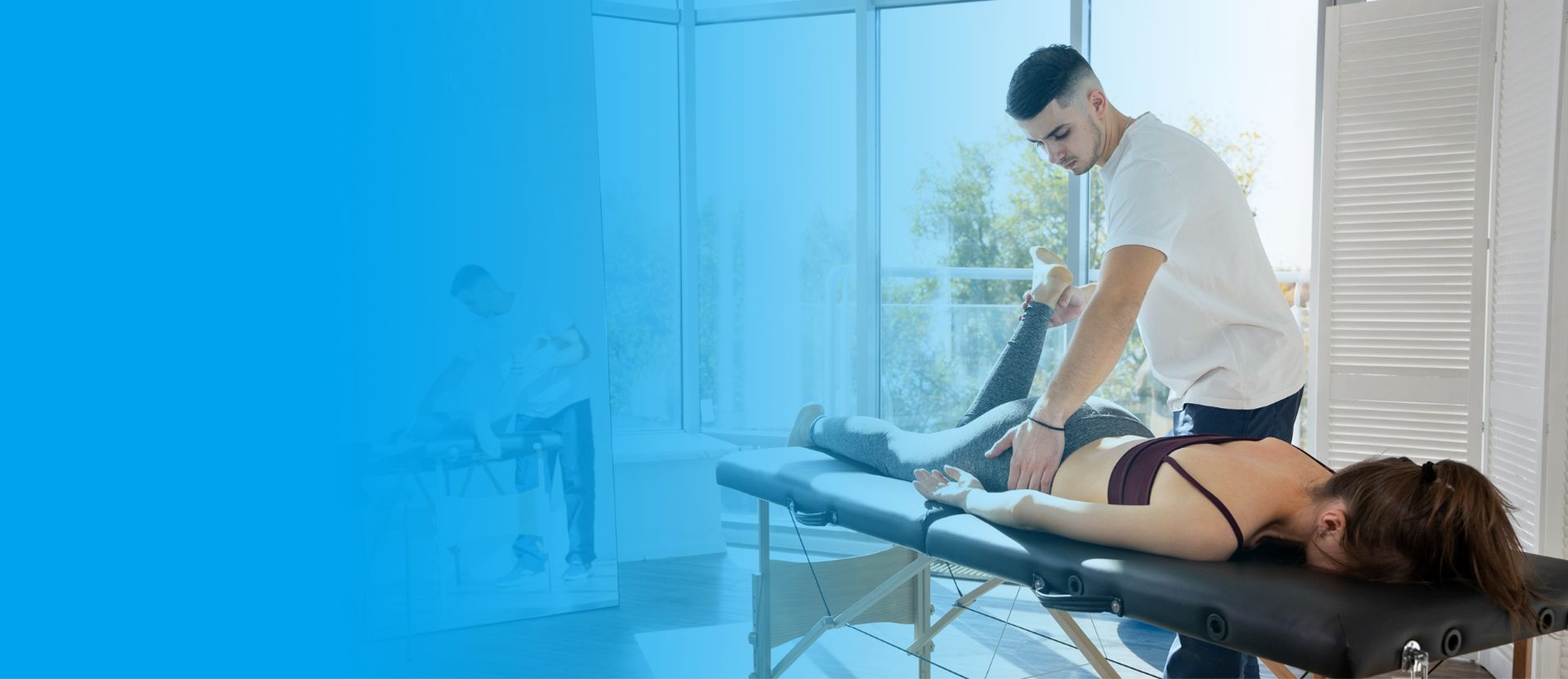
Chiropractic care commonly focuses on musculoskeletal concerns involving the spine, joints and related structures. One technique used in chiropractic is spinal manipulation, where a controlled thrust is applied to a spinal joint. Mobilisation is different because it generally involves slower movement without the same thrust.
People exploring Chiropractic Singapore services should understand that not every appointment requires spinal manipulation. The technique, if any, should depend on the individual’s symptoms, health history and assessment findings.
A professional relationship should allow patients to ask questions and understand why treatment is being recommended. TCA(S)’ Code of Ethics states that patient welfare is paramount and that chiropractors should be open with patients about the risks and benefits of care.
When comparing Chiropractic Singapore practitioners, patients can consider asking:
What did the assessment identify?
Why is this treatment being recommended?
What are the possible risks or temporary effects?
Are other approaches available?
How will progress be reviewed?
When would another healthcare professional be involved?
As of September 2026, Singapore’s Ministry of Health states that chiropractic services operate through a self-regulation model involving professional associations. Chiropractic providers also remain subject to laws governing advertising and consumer protection.
This means Chiropractic Singapore services are not regulated through a dedicated statutory chiropractic licensing board. Professional associations such as TCA(S) instead establish standards for their own members.
How can I find a chiropractor through TCA(S)?
The Chiropractic Association (Singapore) maintains a professional register that members of the public can search. The Association states that registered chiropractors meet its educational standards and agree to follow its code of ethics, practice, advertising requirements and bylaws.
For someone searching for Chiropractic Singapore practitioners, the TCA(S) register can be one source of information about a chiropractor’s professional membership.
What qualifications should I check?
Ask where the chiropractor completed their chiropractic degree and whether the programme met recognised accreditation standards.
TCA(S) requires applicants to its professional register to hold chiropractic degrees from accredited international tertiary institutions offering professional chiropractic qualifications consistent with its stated educational criteria.
Education is only one factor, but it is an important consideration when comparing Chiropractic Singapore options.
Is chiropractic suitable for every health concern?
No. Chiropractic should not be presented as treatment for every health condition.
NCCIH reports that much of the better-quality evidence concerning spinal manipulation relates to musculoskeletal problems. It found little high-quality research supporting spinal manipulation for nonmusculoskeletal conditions.
A chiropractor should assess the patient’s presentation and recognise when another healthcare professional may be more appropriate.
Is spinal manipulation safe?
Spinal manipulation can cause temporary effects such as discomfort, stiffness or headache. NCCIH reports that these effects are usually mild to moderate and commonly resolve within about 24 hours. Serious complications have also been reported but are considered very rare.
People researching Chiropractic Singapore care should tell their practitioner about existing health conditions and medications because some conditions may increase the risks associated with manipulation.
Spinal manipulation is one of several approaches that may be considered for some types of low-back pain.
NCCIH reports that spinal manipulation may provide small improvements in pain and function for some people with acute or chronic low-back pain, but the strength of evidence varies and results cannot be guaranteed.
People looking specifically for care related to back discomfort can visit Back Pain Chiropractor.
What if I am looking for chiropractic care during pregnancy?
Pregnancy requires individual assessment.
NCCIH states that reports of serious adverse events from spinal manipulation during pregnancy are very rare, although rigorous research on the subject is limited. Pregnant patients interested in spinal manipulation are advised to discuss potential risks and benefits with their healthcare provider.
Some headaches may involve structures in the neck, but headaches can have many different causes.
NCCIH reports that spinal manipulation may reduce the frequency and intensity of some cervicogenic headaches. Research concerning other headache types has limitations, so treatment should not be presented as appropriate for every headache.
A chiropractor should assess the symptoms and recognise when medical evaluation may be appropriate.
Can different members of a family see a chiropractor?
Chiropractors may see patients from different age groups, but each person should be considered individually.
Age, health history, medications, pregnancy and other health factors can affect whether a particular approach may be suitable.
Families researching Chiropractic Singapore care can visit Family Health Chiropractor for more information.
How should I use online reviews?
Reviews can provide information about another person’s experience, but they cannot establish whether treatment will be appropriate for someone else.
Professional education, membership, assessment, communication and patient-safety practices should also be considered when choosing a practitioner.
People comparing Chiropractic Singapore practitioners can read GoodGood Chiropractor Review for guidance on evaluating online feedback.
What should I expect before treatment?
Before treatment begins, the chiropractor should gather relevant health information and explain the proposed approach.
Patients should have an opportunity to ask questions about:
What treatment is being proposed
Why it is being considered
Possible risks and benefits
Reasonable alternatives
Expected goals
How progress will be reviewed
TCA(S)’ Code of Ethics states that chiropractors should be open about risks and benefits and respect patients’ right to make their own decisions.
A consultation should not automatically lead to an adjustment. The approach should depend on the individual’s presentation and whether chiropractic care is appropriate.
What professional standards should TCA(S) members follow?
TCA(S)’ Code of Ethics states that patient welfare is paramount. It also says professional actions should demonstrate competency and safety, that patients should be treated with respect, and that chiropractors should be open regarding risks and benefits.
These standards are important for people researching Chiropractic Singapore services because membership should involve more than simply appearing in a directory.
Patients can still ask individual practitioners about their qualifications, experience and approach to care.
Where can I learn more about Chiropractic Singapore?
The Chiropractic Association (Singapore) provides information about chiropractic practice and maintains its professional member register.
The Association’s website is a starting point for people looking for Chiropractic Singapore information, professional standards and registered members.
Patients should still consider their individual health circumstances and seek appropriate medical assessment where necessary.
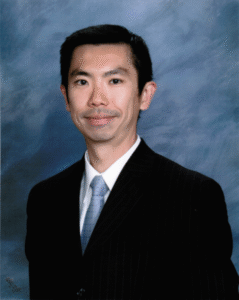
Daniel Tan writes educational content about chiropractic care, patient awareness and professional standards in Singapore. His work focuses on helping readers understand chiropractic terminology, practitioner qualifications and practical questions to ask before receiving care. His health-related content is developed using recognised government, professional and public-health references.
Footnotes
Ministry of Health Singapore — Chiropractor Regulation and Consumer Protection, 8 September 2026. MOH states that chiropractic services currently operate under professional self-regulation and remain subject to advertising and consumer-protection laws.
The Chiropractic Association (Singapore) — Membership and Chiropractic Register. TCA(S) describes its educational requirements and professional register.
The Chiropractic Association (Singapore) — Code of Ethics. Covers patient welfare, competency, safety, openness, patient choice and professional responsibilities.
National Center for Complementary and Integrative Health — Spinal Manipulation: What You Need To Know. Covers spinal manipulation, evidence, safety, adverse effects and patient assessment.