


Family Health Chiropractor in Singapore: What Families Should Consider
A family health chiropractor may see patients of different ages, but chiropractic care should never be treated as a one-size-fits-all service. Adults, older people, pregnant patients and children can have very different health needs, medical histories and risk factors. Before recommending manual treatment, a chiropractor should consider the individual’s symptoms, health history, medications and other relevant circumstances. Proper assessment is especially important because underlying health conditions can affect whether spinal manipulation or another manual technique is appropriate.
Families should also look at the chiropractor’s education, professional membership, communication and approach to patient safety. In Singapore, chiropractic currently operates through professional self-regulation rather than statutory regulation as an allied health profession. The Chiropractic Association (Singapore) maintains a register of chiropractors who meet its stated educational standards and agree to follow its professional requirements.

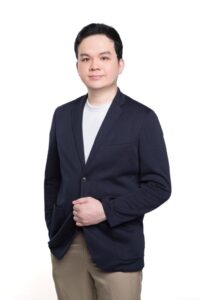
* Dr. Nelson Lim Ping Wei
139 Cecil Street #03-02
Singapore 069539

* Dr. Neo Zhe Wei
35 Rochester Drive,
#02-19 Rochester Mall
Singapore 138639
 9187 0285
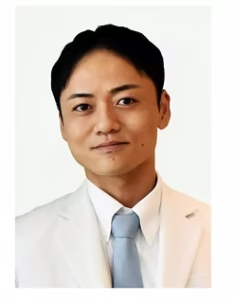


* Dr. Timothy Lim
237 Alexandra Road,
#05-12 The Alexcier
Singapore 159929

* Dr. Valerie Teo W. Q
180B Bencoolon Street,
#05-03 The Bencoolen,
Singapore 189648
Frequently Asked Questions
What does a family health chiropractor do?
A family health chiropractor generally works with patients from different age groups who may have musculoskeletal concerns.
The reason for seeking care can vary considerably from one family member to another. One person may be experiencing back discomfort, another may have neck-related symptoms, while another may simply be seeking an assessment for a specific movement-related complaint.
The chiropractor should therefore assess each patient separately instead of assuming that the same treatment programme is appropriate for the whole family.
Patients interested in general chiropractic standards can also review What Makes a Good Chiropractor.
Should every family member receive the same chiropractic treatment?
No.
Age, health history, symptoms, previous injuries, medications and other medical conditions can affect what type of care may be appropriate.
A family health chiropractor should determine whether a particular technique is suitable for each person. Even when two family members report similar symptoms, the underlying cause and appropriate management may differ.
This is why an individual consultation and assessment should come before treatment.
Can children see a chiropractor?
Some parents consider chiropractic or other complementary approaches for children, but the evidence and safety considerations require particular care.
NCCIH notes that research specifically examining the safety of many complementary health practices in children is limited. It also states that spinal manipulation is generally considered safe when appropriately performed but has been associated with rare serious complications. Parents are advised to discuss complementary approaches with the child’s healthcare provider and not use them as a replacement for necessary conventional care.
A family health chiropractor seeing a child should therefore take the child’s age, health history, symptoms and developmental stage into account.
Should parents speak with their child's doctor before chiropractic care?
It can be a sensible step, particularly when a child has an existing medical condition, persistent symptoms or an unclear diagnosis.
NCCIH advises parents to ensure that children receive an accurate diagnosis from an appropriate healthcare provider and to discuss complementary approaches with the child’s healthcare team.
Parents should also tell all healthcare providers about any complementary treatment their child receives so that care can be coordinated appropriately.
Is chiropractic care different for children and adults?
It should be adapted to the individual.
Children are not simply smaller adults. Their age, physical development, symptoms and medical circumstances should influence the assessment and any proposed treatment.
A family health chiropractor should explain what technique is being considered, why it is being recommended and whether there are alternative approaches.
The Chiropractic Association (Singapore) Code of Ethics also states that chiropractors should maintain patient dignity and consider an appropriate third party or chaperone where care involves a child under 16.
Can pregnant family members visit a chiropractor?
Some pregnant patients consider chiropractic care for musculoskeletal symptoms, including back discomfort.
Pregnancy requires additional assessment because the patient’s physical circumstances change throughout pregnancy, and not every technique may be suitable at every stage.
A chiropractor should consider relevant health information and explain any proposed technique before care begins.
For more specific information, visit Chiropractor for Pregnancy.
Can older adults see a family health chiropractor?
Older adults may seek chiropractic care, but their health history requires careful consideration.
Conditions affecting bone strength, joints, circulation, previous surgery or medications may influence whether spinal manipulation is appropriate. NCCIH notes that people with underlying health conditions may have a greater risk of serious adverse effects from spinal manipulation, making proper assessment important.
A family health chiropractor should therefore ask about relevant medical conditions and medications before recommending care.
Older patients should also disclose diagnoses such as osteoporosis or previous fractures and any significant changes in their health.
Is spinal manipulation always necessary?
No.
Visiting a chiropractor does not automatically mean spinal manipulation must be performed.
Spinal manipulation is only one type of manual intervention. Depending on the patient’s symptoms and assessment, another approach may be considered, or the chiropractor may decide that chiropractic care is not appropriate.
Patients who want to understand spinal manipulation in more detail can read Chiropractor Spinal Adjustments.
What should families ask before agreeing to chiropractic care?
Families should feel comfortable asking questions before treatment begins.
Useful questions include:
- What did the assessment identify?
- Why is this treatment being recommended?
- Is the technique suitable for this person’s age?
- What are the possible risks or temporary side effects?
- Are other treatment options available?
- How will progress be reviewed?
- When would another healthcare professional be involved?
- How many visits are being suggested and why?
The Chiropractic Association (Singapore) Code of Ethics states that chiropractors should be open about the risks and benefits of care and respect the patient’s right to make their own decisions.
How can families check a chiropractor's qualifications?
Patients can ask where the chiropractor completed their education and whether they belong to a professional association.
The Chiropractic Association (Singapore) states that members of its professional register must hold chiropractic qualifications from accredited international tertiary institutions that meet its stated educational criteria. Applicants also need to provide qualification verification and other supporting documentation.
Families can also review Safe Chiropractic when considering qualifications, assessment and patient safety.
Are chiropractors licensed in Singapore?
The term licensed chiropractor needs to be used carefully in Singapore.
As of September 2026, the Ministry of Health states that chiropractic services operate through a self-regulation model involving professional associations. Chiropractic is not one of the allied health professions currently regulated through Singapore’s statutory professional boards.
The Chiropractic Association (Singapore) separately maintains a professional register of chiropractors who meet its stated membership requirements.
For additional information, visit Licensed Chiropractor.
Can a family health chiropractor help with back pain?
Back pain is one reason some adults seek chiropractic care, but the cause and appropriate management can differ between patients.
Spinal manipulation may be considered for certain musculoskeletal presentations, but it should not be described as a guaranteed treatment for all forms of back pain.
Assessment is important because symptoms may sometimes indicate a condition that requires another form of healthcare.
If back discomfort is the main concern, visit Back Pain Chiropractor.
What if a family member has headaches?
Headaches can have several causes, and they should not automatically be assumed to originate from the neck or spine.
A chiropractor should ask about the headache pattern, associated symptoms, medical history and recent changes before considering manual treatment.
Certain headache symptoms may require medical evaluation rather than chiropractic treatment.
For more information, see Chiropractor for Headache.
Are online reviews useful when choosing a family chiropractor?
Reviews can provide insight into another patient’s experience with communication, appointments, staff and the clinic environment.
However, a review cannot determine whether a chiropractor is suitable for every member of your family.
Families should also consider:
- Education and qualifications
- Professional association membership
- Assessment process
- Communication
- Safety practices
- Willingness to refer when appropriate
- Whether treatment is individually tailored
For guidance on reviewing feedback online, visit Good Chiropractor Review.
What are signs of responsible family chiropractic care?
Responsible care should focus on the needs of the individual patient.
Useful signs include:
- Taking a proper health history
- Assessing the patient’s symptoms
- Adapting care according to age and circumstances
- Explaining the proposed treatment
- Discussing possible risks and benefits
- Obtaining consent
- Reviewing progress
- Avoiding guaranteed health claims
- Referring to another healthcare professional when needed
The TCA(S) Code of Ethics states that patient welfare is paramount and that chiropractic actions should demonstrate competency and safety.
A family health chiropractor should therefore treat each member of the family as an individual rather than automatically placing everyone on the same care plan.
Where can families find chiropractors in Singapore?
Families can visit Chiropractic Singapore through The Chiropractic Association (Singapore).
The Association maintains a register of professional members who meet its stated educational standards and agree to follow its code of ethics, practice requirements, advertising rules and bylaws.
Professional registration with TCA(S) is one factor families can consider alongside experience, assessment, communication and whether the practitioner is suitable for the individual patient’s needs.
Author Bio
Daniel Tan writes educational content about chiropractic care, musculoskeletal health and patient awareness in Singapore. His work focuses on helping families understand chiropractic terminology, professional standards, safety considerations and questions to ask before care. His health-related content is developed using recognised professional, government and public-health sources.
Footnotes
- The Chiropractic Association (Singapore) — Registered Chiropractors. TCA(S) maintains a professional register for chiropractors who meet its educational standards and agree to comply with its professional requirements.
- The Chiropractic Association (Singapore) — Code of Ethics. The Code states that patient welfare is paramount and covers competency, safety, communication, consent and considerations involving patients under 16.
- National Center for Complementary and Integrative Health — Children and the Use of Complementary Health Approaches. Provides guidance for parents considering complementary care for children and discusses limitations in available safety evidence.
- National Center for Complementary and Integrative Health — Spinal Manipulation: What You Need To Know. Covers assessment, common temporary effects, rare serious complications and the importance of considering existing health conditions.
- Ministry of Health Singapore — Chiropractor Regulation and Consumer Protection, 8 September 2026. MOH describes Singapore’s current self-regulation model for chiropractic services.